
First Amendment Encyclopedia
Jehovah's Witnesses and Free Speech
Discover how Jehovah’s Witnesses have shaped Free Speech law, affirming First Amendment rights through landmark cases.
Decisions in context
Follow the cases, doctrines and historical turning points that define the practical reach of First Amendment freedoms.
Articles in Jehovah's Witnesses and Free Speech
Browse this complete case collection in alphabetical order.

Encyclopedia
Murdock v. Pennsylvania (1943) invalidated a city ordinance that required solicitors to obtain a license. The Court found the law infringed on the First Amendment rights.
By John R. Vile

Encyclopedia
Niemotko v. Maryland (1951) found that a conviction for holding a Bible study in a park without a permit was a denial of the First Amendment right to exercise free speech.
By John R. Vile
Encyclopedia
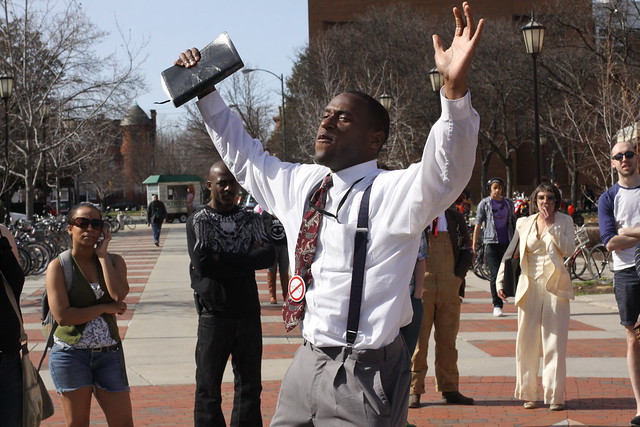
Poulos v. New Hampshire (1953) found a state ordinance that banned holding religious services in public parks without a permit did not violate the First Amendment.
By John R. Vile

Encyclopedia
Saia v. New York (1948) invalidated a sound truck ordinance that allowed the police chief to act as a censor on speech for violating the First Amendment.
By John R. Vile
Encyclopedia
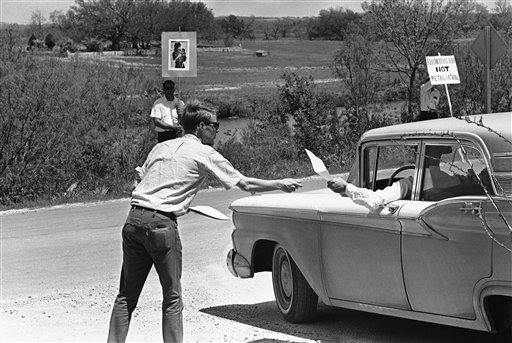
Schneider v. State (1939) invalidated several city ordinances that restricted the distribution of handbills, ruling that the laws infringed on the First Amendment.
By John R. Vile

Encyclopedia
Sicurella v. United States (1955) overturned the conviction of a Jehovah’s Witness who was refused conscientious objector status. The First Amendment protects such objectors.
By John R. Vile

Encyclopedia
Taylor v. Mississippi (1943) struck down a state law that convicted individuals who spoke against saluting the flag, finding it in violation of the First Amendment.
By John R. Vile
Encyclopedia
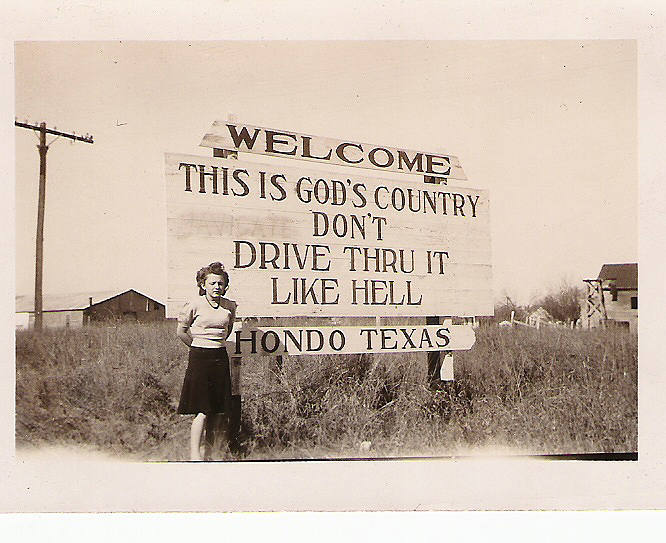
Tucker v. Texas (1946) ruled that, under the First Amendment, a town manager could not prohibit door-to-door canvassing in a town owned by the national government.
By John R. Vile
Encyclopedia
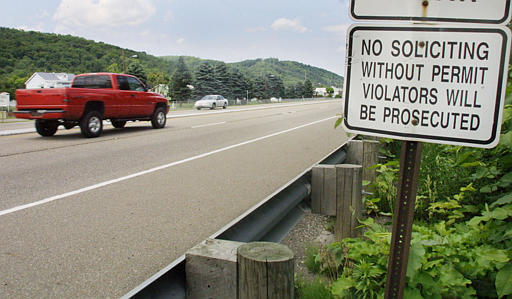
Watchtower Bible and Tract Society v. Village of Stratton (2002) said an ordinance making it a misdemeanor to canvass door-to-door without a permit violated the First Amendment.
Encyclopedia
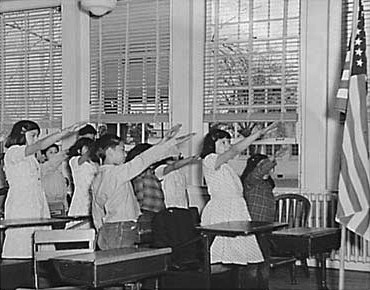
West Virginia State Board of Education v. Barnette (1943) said requiring students to salute the American flag infringed upon First Amendment freedoms of belief and speech.
Encyclopedia
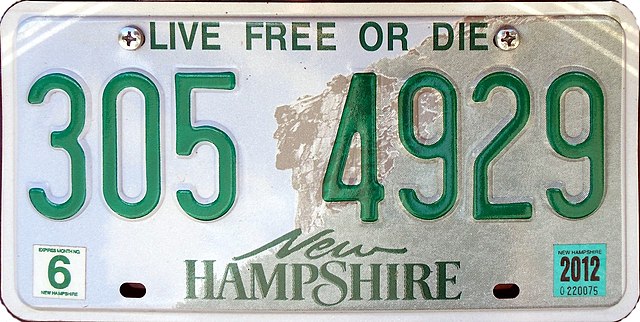
Wooley v. Maynard (1977) found that fining George Maynard for covering up the New Hampshire motto "Live Free or Die" on his license plate for religious ...

Continue exploring the Encyclopedia
Move between court cases, topics and the complete Encyclopedia.