
First Amendment Encyclopedia
Overbreadth
Analyze the Overbreadth doctrine in First Amendment law, protecting speech by invalidating laws that go too far.
Decisions in context
Follow the cases, doctrines and historical turning points that define the practical reach of First Amendment freedoms.
Articles in Overbreadth
Browse this complete case collection in alphabetical order.

Encyclopedia
In Americans for Prosperity v. Bonta, the U.S. Supreme Court invalidated a California requirement that charities share the names of donors who contributed more than $5,000, saying it violated the rights of association protected under the First Amendment.
By John R. Vile

Encyclopedia
Board of Airport Commissioners of the City of Los Angeles v. Jews for Jesus, Inc. (1987) invalidated an airport rule declaring the terminal closed to First Amendment activities.
By John R. Vile

Encyclopedia
City of Houston v. Hill (1987) found that a Houston ordinance prohibiting verbal abuse of police officers to a criminalization of First Amendment protected speech.

Encyclopedia
Dombrowski v. Pfister (1965) said federal courts may step in when a state statute substantially chills First Amendment free expression through overbreadth
Encyclopedia
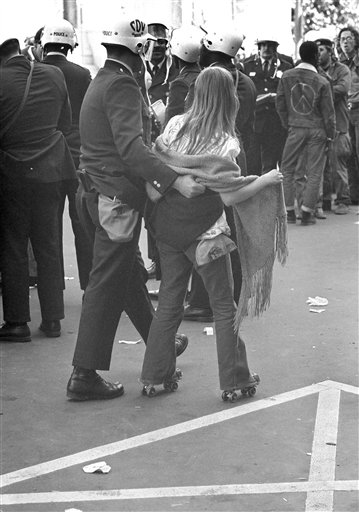
Gooding v. Wilson (1972) limited the scope of the “fighting words” exception to the First Amendment and enhanced the development of the overbreadth doctrine.

Encyclopedia
Lewis v. City of New Orleans (1974) overturned a conviction for cursing at police, saying the state law was overly broad and thus violated the First Amendment.
By John R. Vile

Encyclopedia
Packingham v. North Carolina (2017) invalidated a state law prohibiting sex offenders from accessing social media. The court said the law barred First Amendment rights on websites.
Encyclopedia
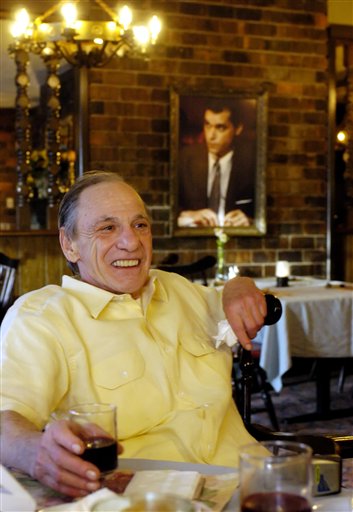
In Simon and Schuster v. New York State Crime Victims Board (1991), the Supreme Court said that New York's Son of Sam law violated the First Amendment.
Encyclopedia
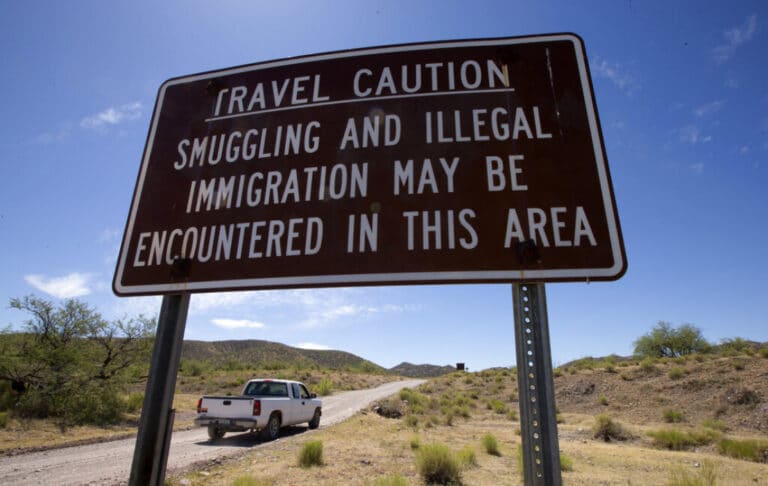
The Supreme Court in 2023 upheld the conviction of a man who had set up a phony adult adoption scheme, promising immigrants they could become citizens ...
By John R. Vile

Encyclopedia
Although the First Amendment protects the right of an individual to possess pornography inside his home, the right does not extend to transporting material, the Supreme Court said in United States v. Orito in 1973.
By John R. Vile
Encyclopedia
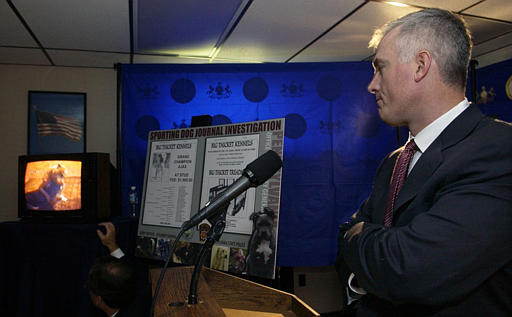
In 2010, the Supreme Court overturned a federal law that made it a crime to create, sell or distribute images depicting animal cruelty for commercial purposes. In United States v. Stevens, the Court said the law was overly broad, and could encompass images of hunting and animal slaughter.
Continue exploring the Encyclopedia
Move between court cases, topics and the complete Encyclopedia.