
First Amendment Encyclopedia
Aliens
Examine how the First Amendment protects or limits aliens’ rights, offering a unique perspective on freedom and identity.
Decisions in context
Follow the cases, doctrines and historical turning points that define the practical reach of First Amendment freedoms.
Articles in Aliens
Browse this complete case collection in alphabetical order.

Encyclopedia
In Abrams v. U.S., the Supreme Court in 1919 upheld the convictions of several individuals under the 1918 Sedition Act for distributing leaflets opposed to U.S. intervention in the Russian civil war involving the Bolsheviks.

Encyclopedia
In American Academy of Religion v. Chertoff (2006), a New York court affirmed the First Amendment rights of scholars who had invited an Islamic scholar to teach.
By John R. Vile
Encyclopedia
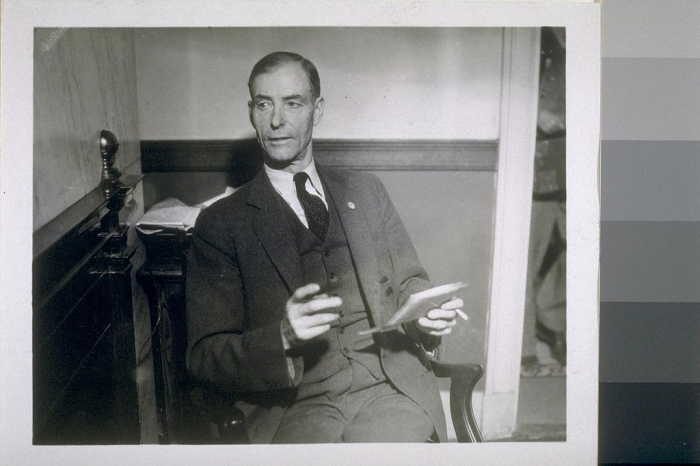
Bridges v. Wixon (1945) ruled that the U.S. could not deport a legal immigrant for his Communist Party affiliation. The Court said legal aliens had First Amendment rights.
By John R. Vile

Encyclopedia
Carlson v. Landon (1952) upheld the detention of resident aliens without bail. The decision split the court over the First Amendment rights of aliens.
By John R. Vile
Encyclopedia
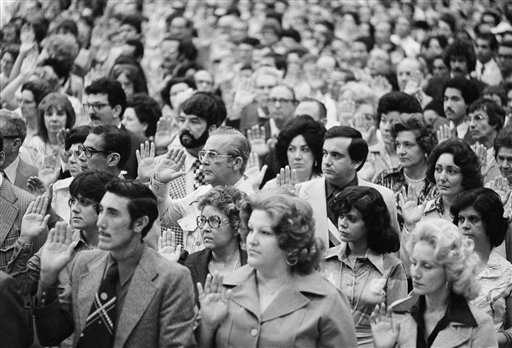
In Girouard v. United States, the Supreme Court held that citizenship applicants do not have to swear they will bear arms if they have religious objections.

Encyclopedia
Harisiades v. Shaughnessy upheld a provision of the Alien Registration Act of 1940, requiring deportation of resident aliens who advocate the unlawful overthrow of the government.
By John R. Vile
Encyclopedia
President Trump signed executive orders suspending immigration from predominantly predominately Muslim nations. Courts said the order violated the First Amendment.
By John R. Vile
Encyclopedia
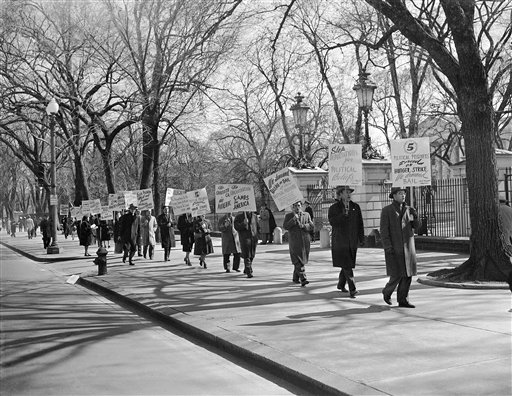
The Court decision in Kimm v. Rosenberg (1960 focused chiefly on the self-incrimination provision of the Fifth Amendment, but it also had implications for First Amendment freedoms.
By John R. Vile
Encyclopedia
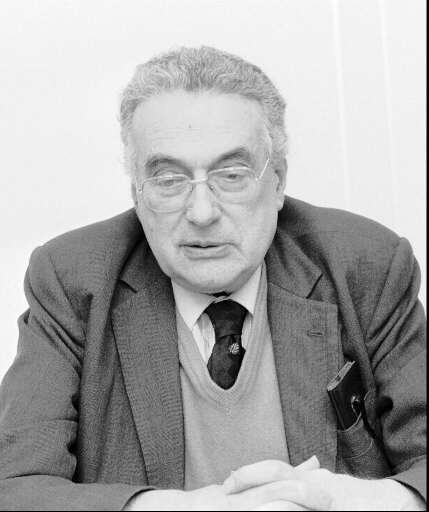
In Kleindienst v. Mandel (1972), the Court held that First Amendment protections did not extend to non-citizens, even if invited to the country for academic purposes.
By Nina Dutton and Walter Huber

Encyclopedia
In Schneiderman v. United States, the Supreme Court invoked First Amendment protection of freedom of belief in deciding that the United States could not revoke the naturalized citizenship of an immigrant because of his communist views.
By John R. Vile
Encyclopedia
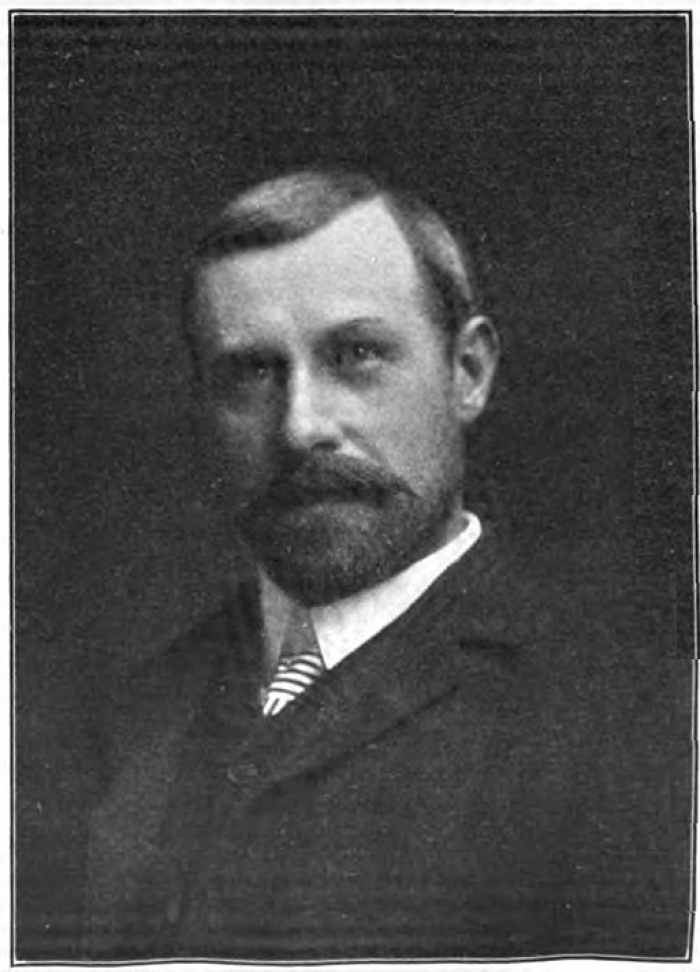
In 1904, the Supreme Court upheld the planned deportation of anarchist and alien John Turner under the Anarchist Exclusion Act. In Turner v. Williams, the Court rejected arguments from Clarence Darrow that Turner identification as an anarchist was a statement of political belief.
By John R. Vile

Encyclopedia
United States v. Macintosh (1931) rejected that the First Amendment's protection of conscientious objectors extended to those applying for citizenship.
By John R. Vile

Continue exploring the Encyclopedia
Move between court cases, topics and the complete Encyclopedia.