
First Amendment Encyclopedia
Topic
Explore a comprehensive overview of First Amendment topics, covering the spectrum of rights and freedoms it protects.
Research with context
Each entry is written to make First Amendment history and law understandable without losing the important detail.
Articles about Topic
Browse the complete collection of articles in this topic, organized for clear and focused exploration.
Encyclopedia
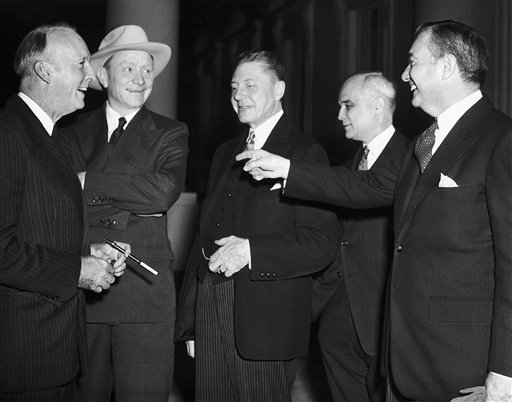
Absolutists believe that the First Amendment means that state and federal governments may pass no laws abridging the rights of religion, speech, press or association.
Encyclopedia
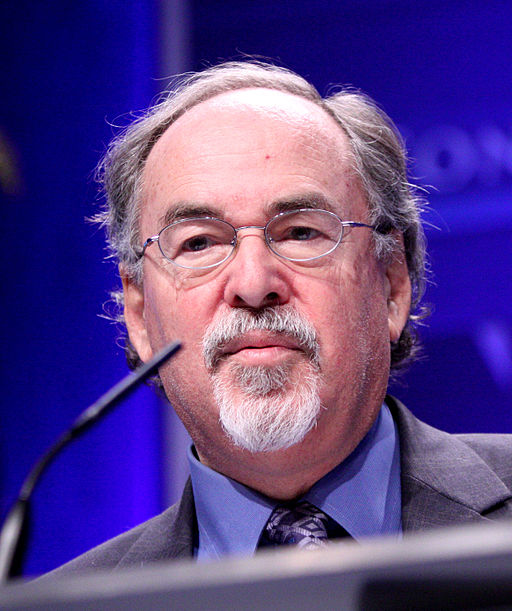
David Horowitz's Academic Bill of Rights attempts to establish principles of the First Amendment on college campuses that Horowitz says have been violated by liberals on campus.
Encyclopedia
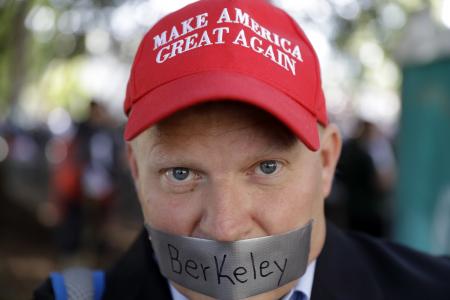
Academic freedom is a First Amendment principle that teachers, students and educational institutions should be able to pursue knowledge without government interference.
By Emilie Kraft

Encyclopedia
Although the First Amendment doesn't mention freedom of access to courtrooms, the Supreme Court has held that the public right to attend criminal proceedings is implied.
By Emilie Kraft

Encyclopedia
Accommodationism says the First Amendment promotes a beneficial relationship between religion and government. It is a way to interpret the establishment and free exercise clauses.

Encyclopedia
Actual malice is the legal standard the Supreme Court uses to protect the media in libel cases in determining when public officials or figures may win damages in lawsuits.

Encyclopedia
In First Amendment law, ad hoc balancing involves judging cases on their unique facts, rejecting formulaic tests to determine whether speech is protected or not.
By John R. Vile
Encyclopedia
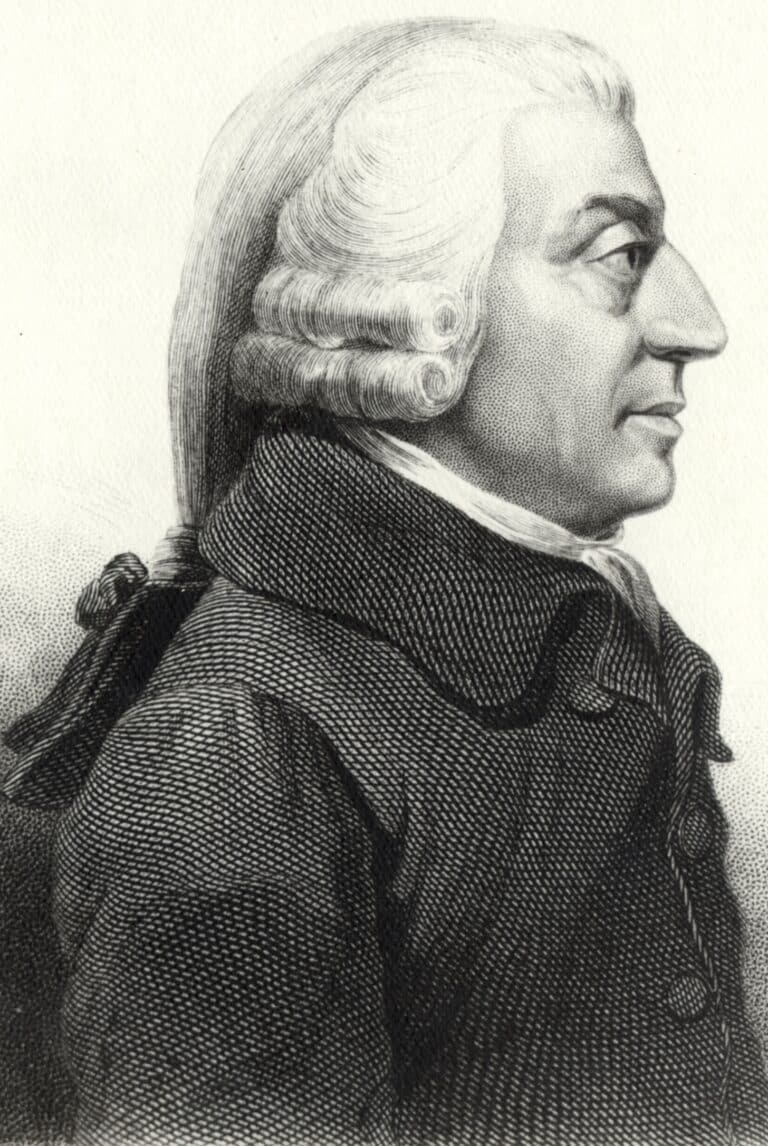
Adam Smith, who published the influential "Wealth of Nations" in 1776, noted in his book shortcoming with established religions (a state-supported church). He noted how clergy ...
By John R. Vile
Encyclopedia
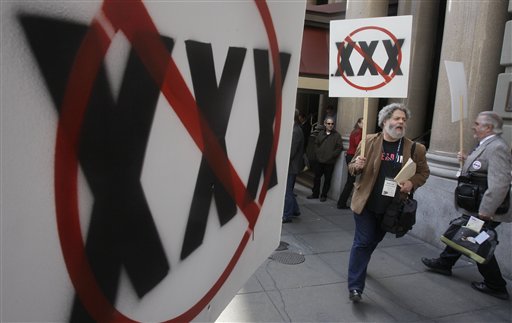
The Adult Film Association of America was founded as the first trade association of pornographic film producers, working to defend the First Amendment rights of the industry.

Encyclopedia
Mark Twain's Adventures of Huckleberry Finn has faced censorship since its publication in 1885. Alleged racist material has been most often cited for banning the book in schools.
Encyclopedia
Mere advocacy of illegal conduct was not protected by the First Amendment until Brandenburg v. Ohio (1969), which created the incitement to imminent lawless action test.

Encyclopedia
Two Supreme Court cases involving affirmative action relied in part on the First Amendment to protect a university's admission rights and to uphold use of racial preferences.
By John R. Vile
Continue exploring the Encyclopedia
Move between court cases, topics and the complete Encyclopedia.