
First Amendment Encyclopedia
Privacy
Explore the intricate relationship between Privacy and First Amendment rights in the evolving digital age.
Decisions in context
Follow the cases, doctrines and historical turning points that define the practical reach of First Amendment freedoms.
Articles in Privacy
Browse this complete case collection in alphabetical order.
Encyclopedia
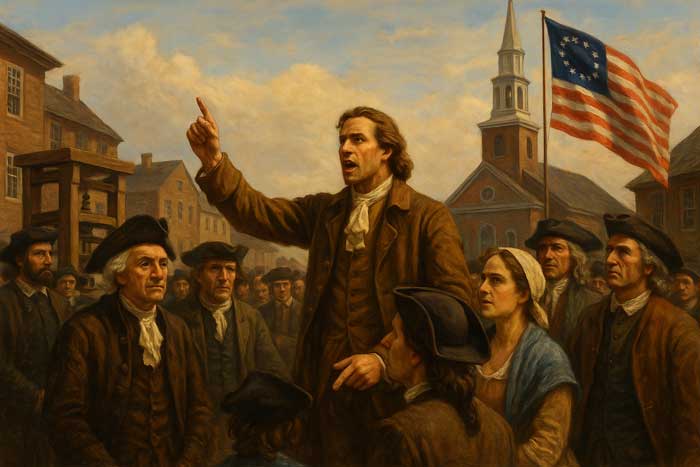
Barber v. Time (Mo. 1942) ruled that press freedom and individual privacy are not absolute rights and must be balanced. Courts must consider the "proper public interest."
Encyclopedia
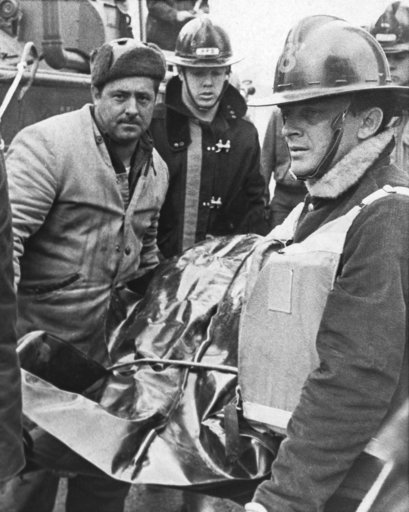
Cantrell v. Forest City Publishing Co. (1974) ruled against a newspaper for an article casting the plaintiff in false light, showing the limits of First Amendment press freedom.

Encyclopedia
In Cox Broadcasting v. Cohn (1975), the Supreme Court said journalists had a First Amendment right to release information found in public domain records.

Encyclopedia
DOJ v. Reporters Comm. for Free Press (1989) reiterated that the First Amendment does not give the press special access to information not available to the general public.
By John R. Vile

Encyclopedia
Department of Air Force v. Rose (1976) looked at privacy rights in interpreting the FOIA to require disclosure of summaries of ethics hearings at the Air Force Academy.
By John R. Vile
-
Encyclopedia
Dietemann v. Time (9th Cir. 1971) ruled that First Amendment freedom of the press does not give reporters special license to violate individuals’ privacy.
-
Encyclopedia
In Florida Star v. B.J.F. (1989), the Supreme Court said the First Amendment stopped a newspaper from being held liable for publishing a rape victim's name.
Encyclopedia
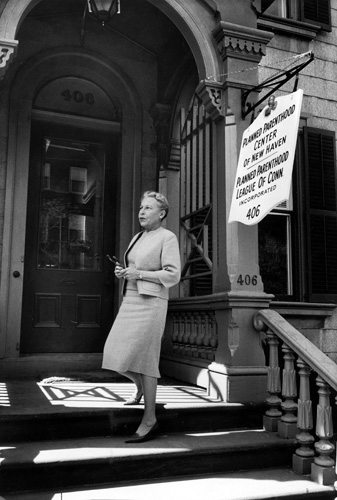
Griswold v. Connecticut (1965) elaborated the right to privacy by invalidating a law that made it a crime to use birth control devices or to advise about their use.
By John R. Vile

Encyclopedia
Snyder v. Phelps (2011) ruled that the First Amendment prohibited the pressing of civil charges upon a church who picketed the funeral of a slain Marine.

Encyclopedia
Time, Inc. v. Hill (1967) extended the actual malice standard to a false light invasion of privacy to ensure the First Amendment freedom of the press was not burdened.
Encyclopedia
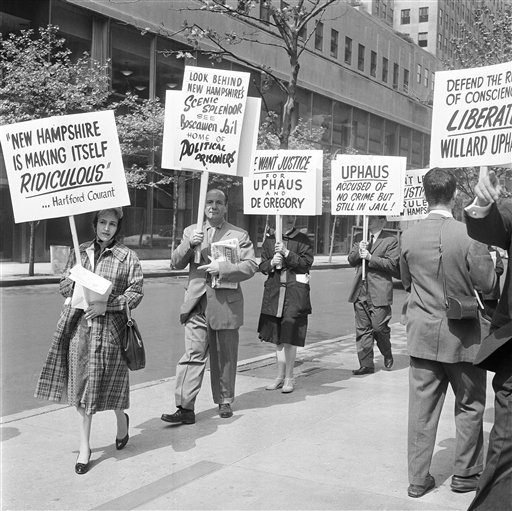
The Supreme Court in 1959 and 1960 upheld the contempt conviction that led to the jailing of Methodist pacifist minister Dr. Willard Uphaus for refusing to reveal the speakers at a camp conference. In Uphaus v. Wyman, the Court upheld New Hampshire's contempt citation against challenges of infringement on First Amendment freedoms of association and a right to privacy.
By John R. Vile

Continue exploring the Encyclopedia
Move between court cases, topics and the complete Encyclopedia.