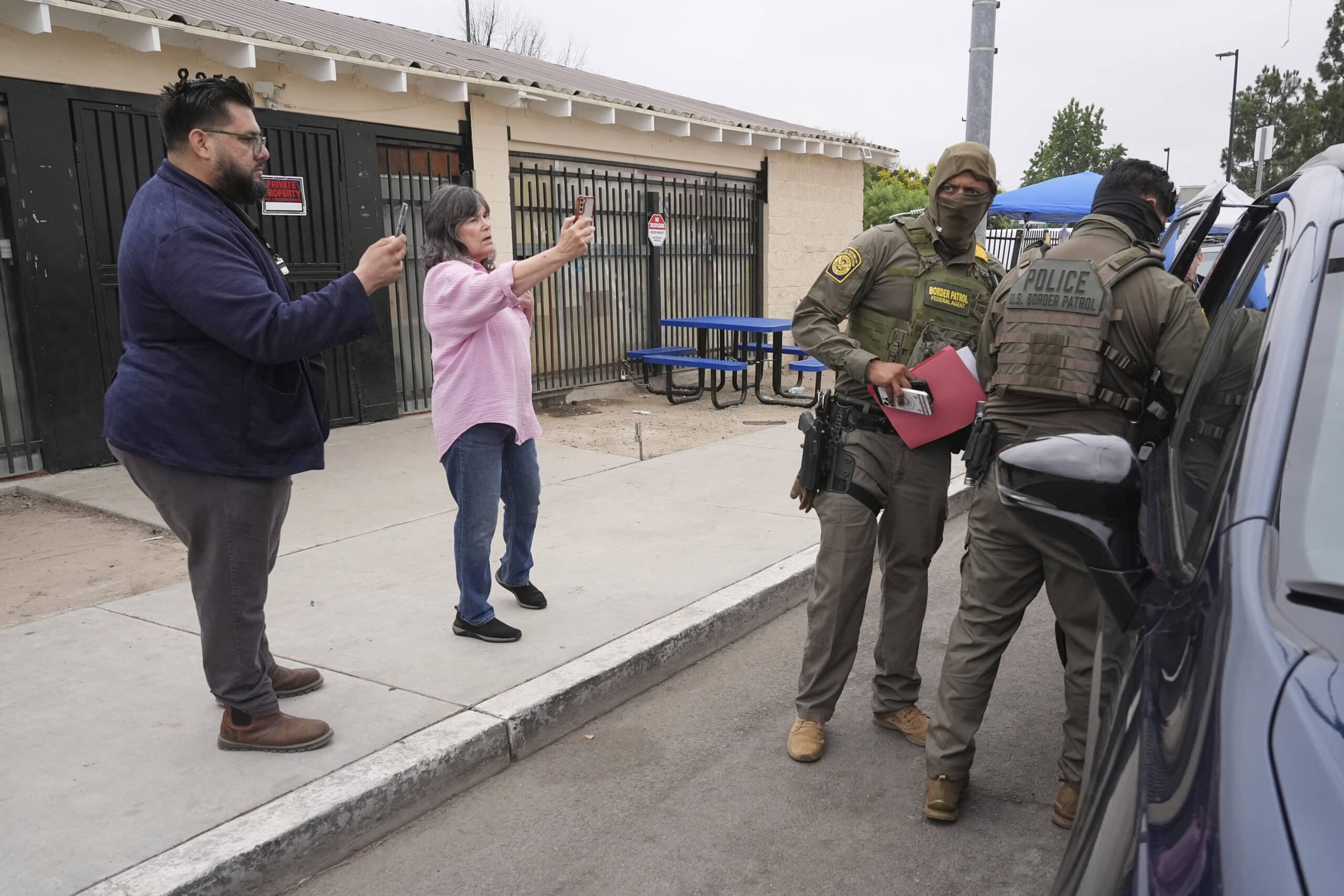
Although they are not new, so-called First Amendment audits appear to have become more common. They have increased both because technology has made such filming easier and because auditors can monetize adverse responses to such audits by posting them on social media or the internet.
Such audits consist of filming the actions of individuals in public places, particularly governmental officials, presumably for the purpose of educating the wider public about their rights.
Right to film in public places
Individuals have a broad right to film in public places, and particularly in so-called traditional public forums like sidewalks and parks and a more limited right in designated public forums (which might be limited to student groups or meetings for specified purposes), and non-public forums such as polling places or private offices or private property, where filming might involve trespassing.
This right has been tied to the guarantees in the First and 14th Amendments for freedom of speech and press. Some courts have expressly recognized a “right to record.”
Fourth Amendment and other protections connected to the right to privacy have established that one does not have a reasonable expectation of privacy against such filming in public places. Moreover, there have been cases (for example, the killing of George Floyd) where citizen films of encounters with police officers and other officials have exposed wrongdoing by police officers and other officials.
The dangers of overreactions
Private individuals and public officials may, however, feel as though such filming is intrusive and may inaccurately believe that it requires private consent (as might, for example, recording a private telephone conversations). Apparently relying on laws limiting the recording or private conversations, on Oct. 1, 2026, U.S. Representative Andy Harris from Maryland generated considerable criticism after he attempted to summon police to prevent a student journalist from filming him in a post-debate press conference.
At a time when many individuals earn money by posting provocative content online, First Amendment auditors have an incentive to engage in provocative speech that will in turn produce adverse reactions or viral moments that they can monetize. Both private individuals and government officials should recognize that the best way to handle such audits is to react calmly in a way that recognizes First Amendment rights without, however, feeling obligated to engage in conversations or to respond in kind to those who are attempting to provoke them through insults or the use of other provocative language.
John R. Vile is a political science professor and dean of the Honors College at Middle Tennessee State University.